
Proposal for Komitas Avenue renovation
TLDR: elm removal on Komitas avenue is imminent. Instead of replacing all mature trees at once with ornamental ones, we suggest phased replacement over 10 years, and create a bio-diverse multi-layered green space.
The Current Reality and The Threat
In March 2026, the city announced plans to renovate the sidewalks on Komitas Avenue, which includes replacing trees that have lost their vitality. Based on similar past projects, this likely means the removal of all elm trees. Elms make up 56% of the 1,053 trees growing on Komitas Avenue and comprise nearly 100% of the front row. They are the primary source of the street's essential shade.
| Species | Count | Percentage | Height, m | Crown, m |
|---|---|---|---|---|
| Ulmus | 617 | 56% | 9,6 | 6,3 |
| Robinia | 152 | 14% | 4,7 | 3,4 |
| Fraxinus | 26 | 2% | 5,0 | 3,4 |
Data provided by the Trees of Yerevan app.
Removing all these trees at once would turn the street into a massive heat island for years. Replacing large canopy trees with small ornamental ones would lock in this problem for decades, permanently lowering the quality of life for residents, businesses, and pedestrians. Although the existing elms have suffered from improper care over the decades, with proper support, they can still serve the city for another 10 to 20 years. This window of time gives the city an opportunity to transform Komitas Avenue into a model green space.
The following outlines an approach for this renovation project that creates a healthy, sustainable green space with multiple benefits, addresses past landscaping mistakes, and requires little to no budget increase.
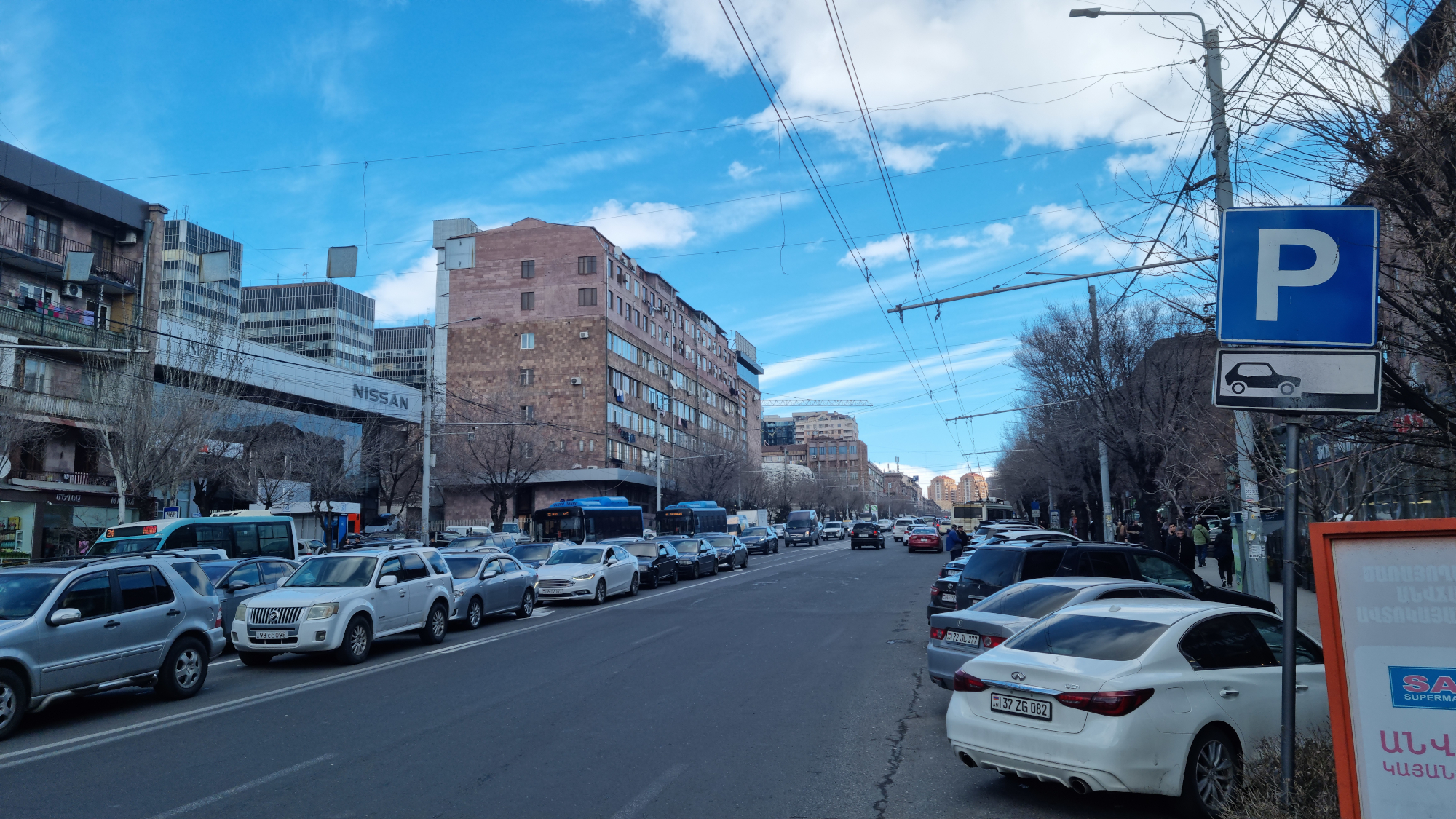
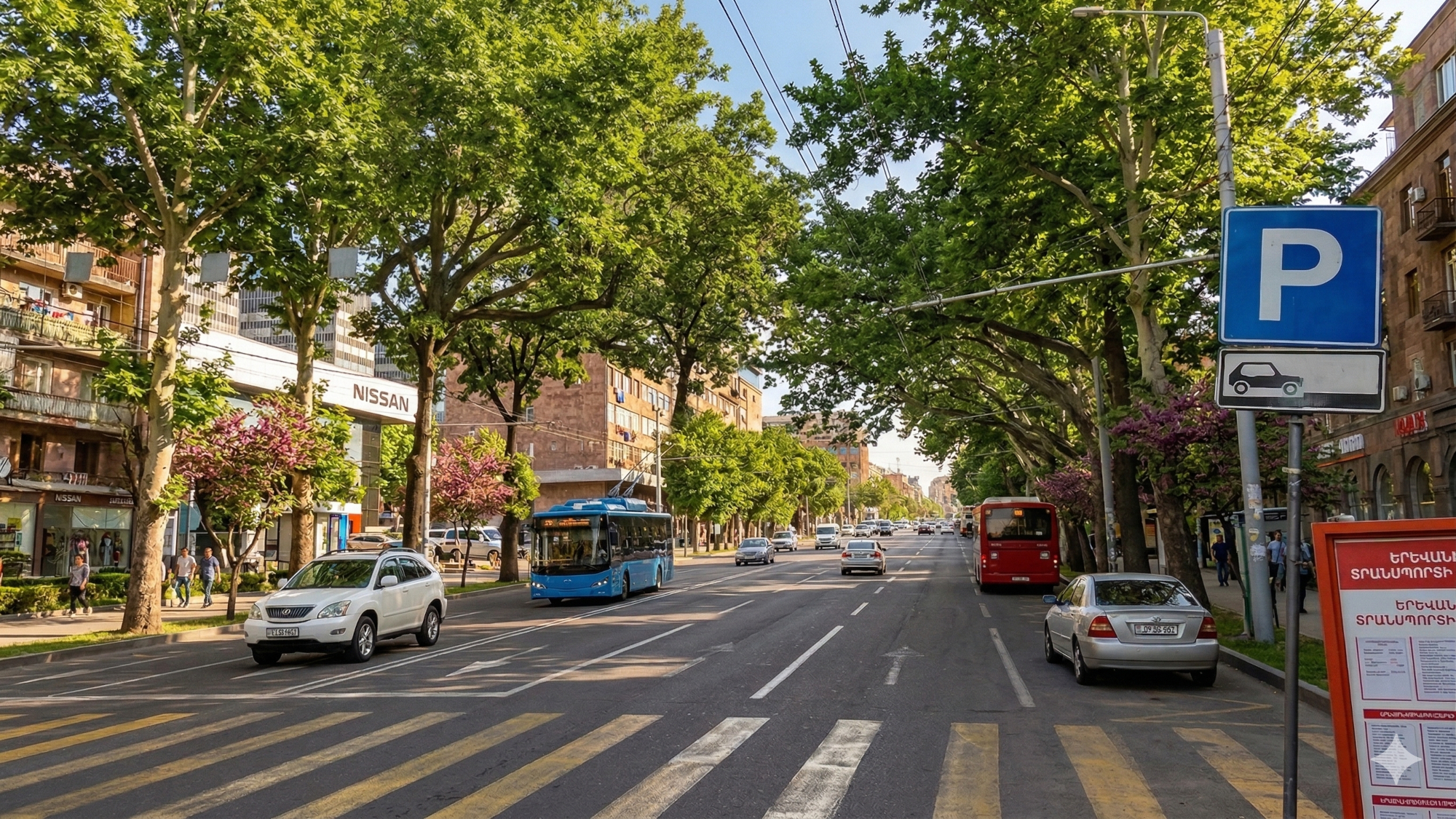
A comparison of heavily topped elms and properly taken care of planes and oaks.
Phased Replacement Over 10 Years
We strongly recommend a gradual, 4-to-5-step replacement process over 10 years as an alternative to a massive, one-time clear-cutting. A phased approach minimizes the sudden loss of the environmental benefits these trees provide.
It is important to note that a 10-year replacement plan does not mean the sidewalk will need to be reconstructed multiple times. The heavy infrastructure work—such as installing underground irrigation pipes, preparing the soil, and laying the paving—is done all at once during the initial renovation. Only the actual planting of the trees is staggered over the years. With a 10-year schedule, by the time the final trees are replaced, the newly planted trees from the first phase will have grown large enough to offer significant shade.
For context, with proper care, standard 4-meter-tall trees planted by the city can be expected to grow to the following sizes within 10 years, providing significantly more shade than the current mature but heavily topped trees:
| Species | Scientific name | Height, m | Crown, m |
|---|---|---|---|
| Plane | Platanus | 14 | 10 |
| Elm | Ulmus | 12 | 10 |
| Oak | Quercus | 11 | 7 |
| Globe catalpa | Catalpa bignonioides 'Nana' | 5 | 5 |
Multi-Layer Planting Strategy
Shifting away from a "one-size-fits-all" approach to mixed plantings is highly beneficial. Alternating large canopy trees with smaller ornamental ones creates a true urban forestry system rather than just a simple row of trees. Top-tier canopy trees provide shade, reduce noise, and clean the air. Smaller understory trees add aesthetic value, produce flowers essential for pollinators, and offer dense canopies that serve as nesting spaces for small birds.
Like much of the city, Komitas Avenue uses a standard 5.5 to 6-meter grid for planting trees. Maintaining this grid is perfect for a multi-layer planting strategy. Planting only large trees at 5-meter intervals forces them to compete for space, causing them to grow tall rather than wide, which makes them more vulnerable to breaking in the wind. Alternating large trees with ornamental ones gives the large trees an ideal 11 to 12 meters of distance between them.
Reusing the existing grid also means trees can be replaced in their current spots, requiring less administrative planning and fewer architectural changes.
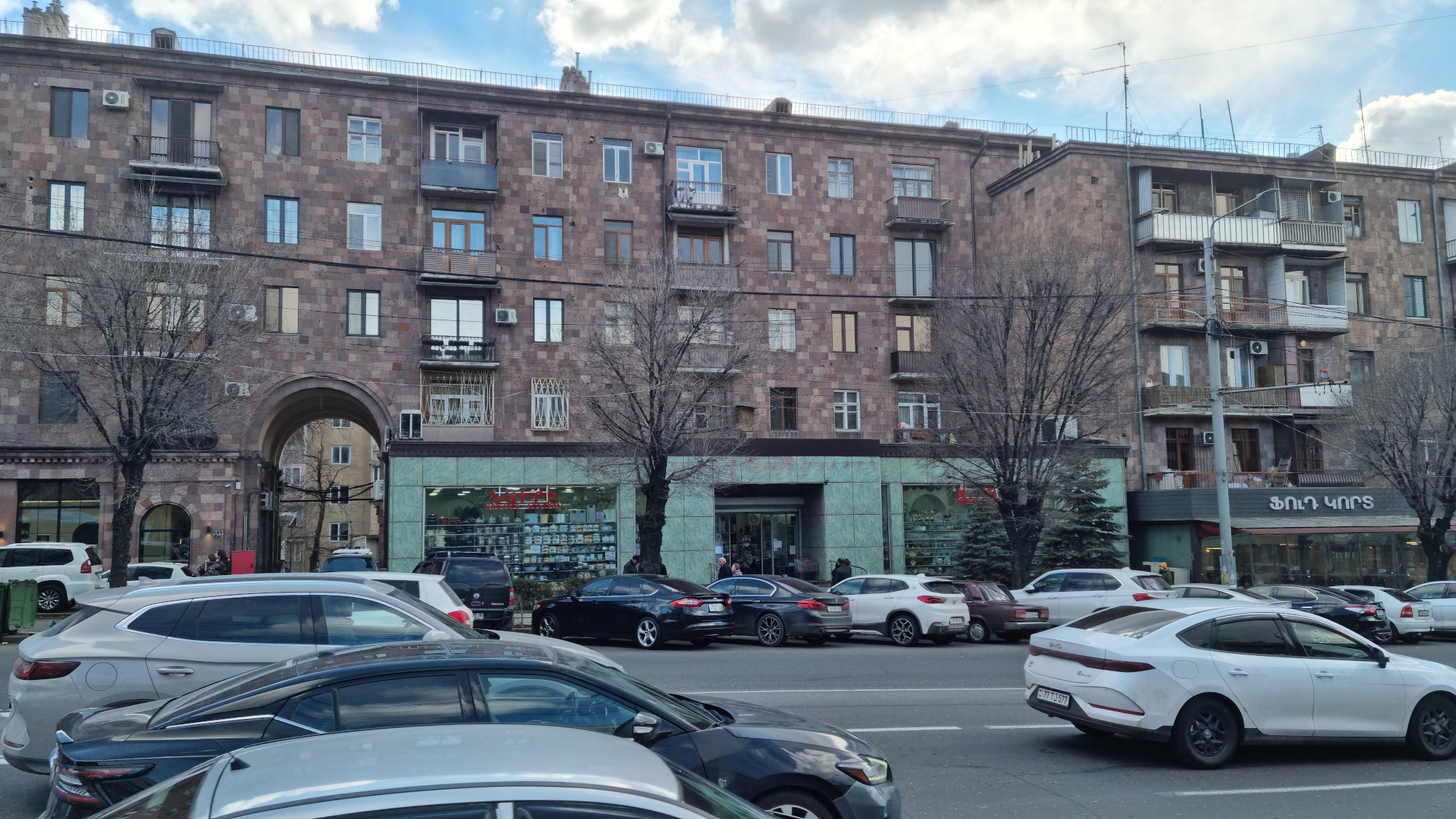
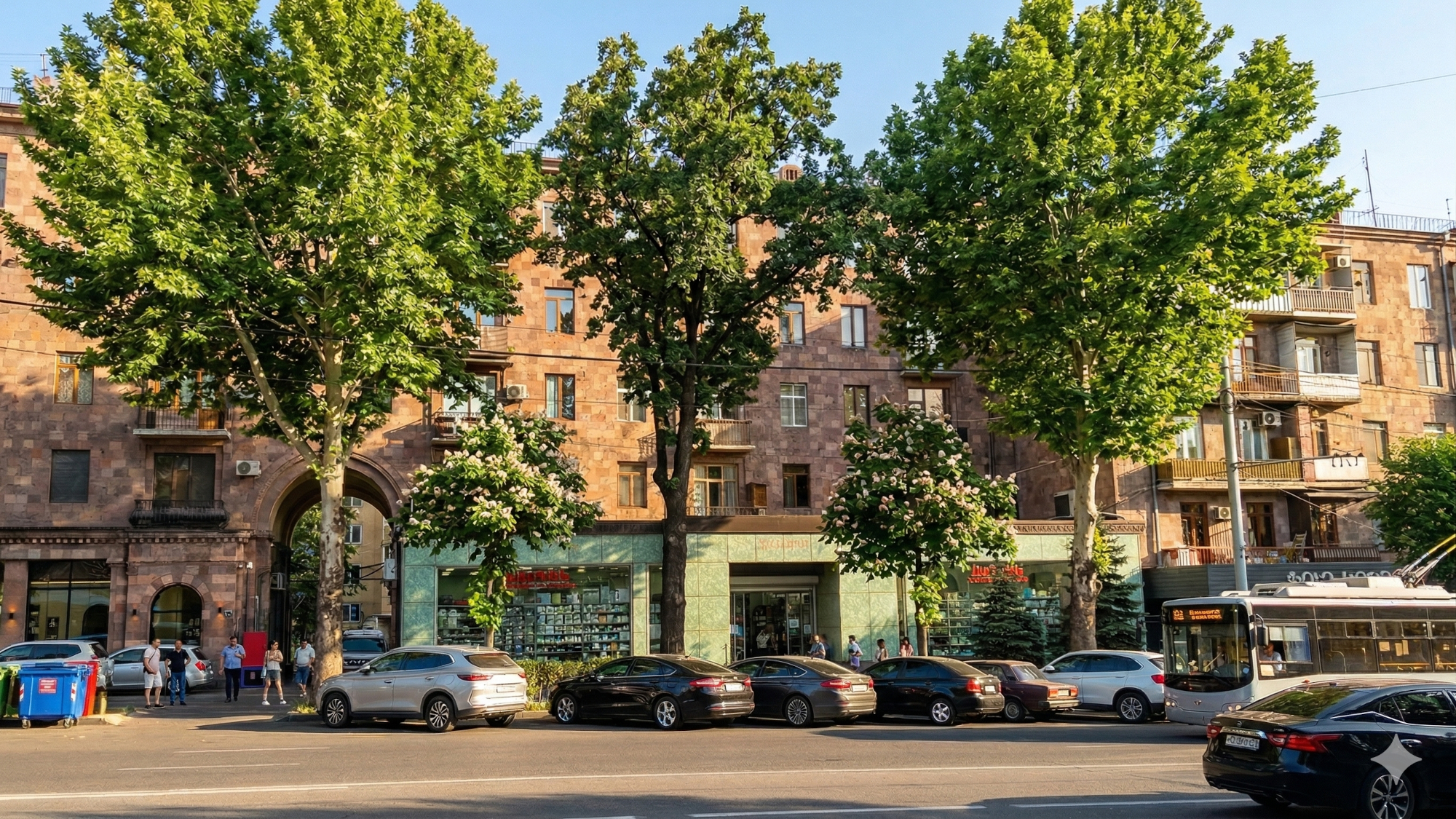
An example of two different levels of trees.
Diversity Equals Sustainability
Planting another monoculture (a street with only one type of tree) should be avoided at all costs. Monocultures are highly vulnerable to diseases and pests; a single outbreak could require the entire street to be clear-cut again. Additionally, trees of the same species age at the same rate, meaning they will all need to be replaced at the same time in the future, repeating the current situation.
A better approach is to plant a mixture of tree species that have proven to thrive in Yerevan. Excellent candidates for the top-tier canopy include planes, oaks, elms, maples, and sophoras. Introducing tulip trees and ginkgos, which have recently shown promising results in the city, would also be highly beneficial. Furthermore, integrating native trees like the Persian oak (Quercus macranthera) or European hackberry (Celtis australis) would add significant environmental value. Native species are naturally adapted to the local climate and are much more resistant to regional pests and diseases, which means they require less maintenance and generally live longer, healthier lives.
For the understory, suitable options include catalpa, robinia, koelreuteria, cercis, sakura, or albizia. These provide lower canopies, visual beauty, and essential nesting spaces for birds.
Restoring the Grid
Over time, many original tree pits have been paved over. The city has an opportunity to restore the initial planting grid in areas where it has been lost, such as near the City Mall, the farmer's market, and the cinema. Wherever possible, the second row of trees should also be restored to thicken the "green tunnel" effect and further cool the street.
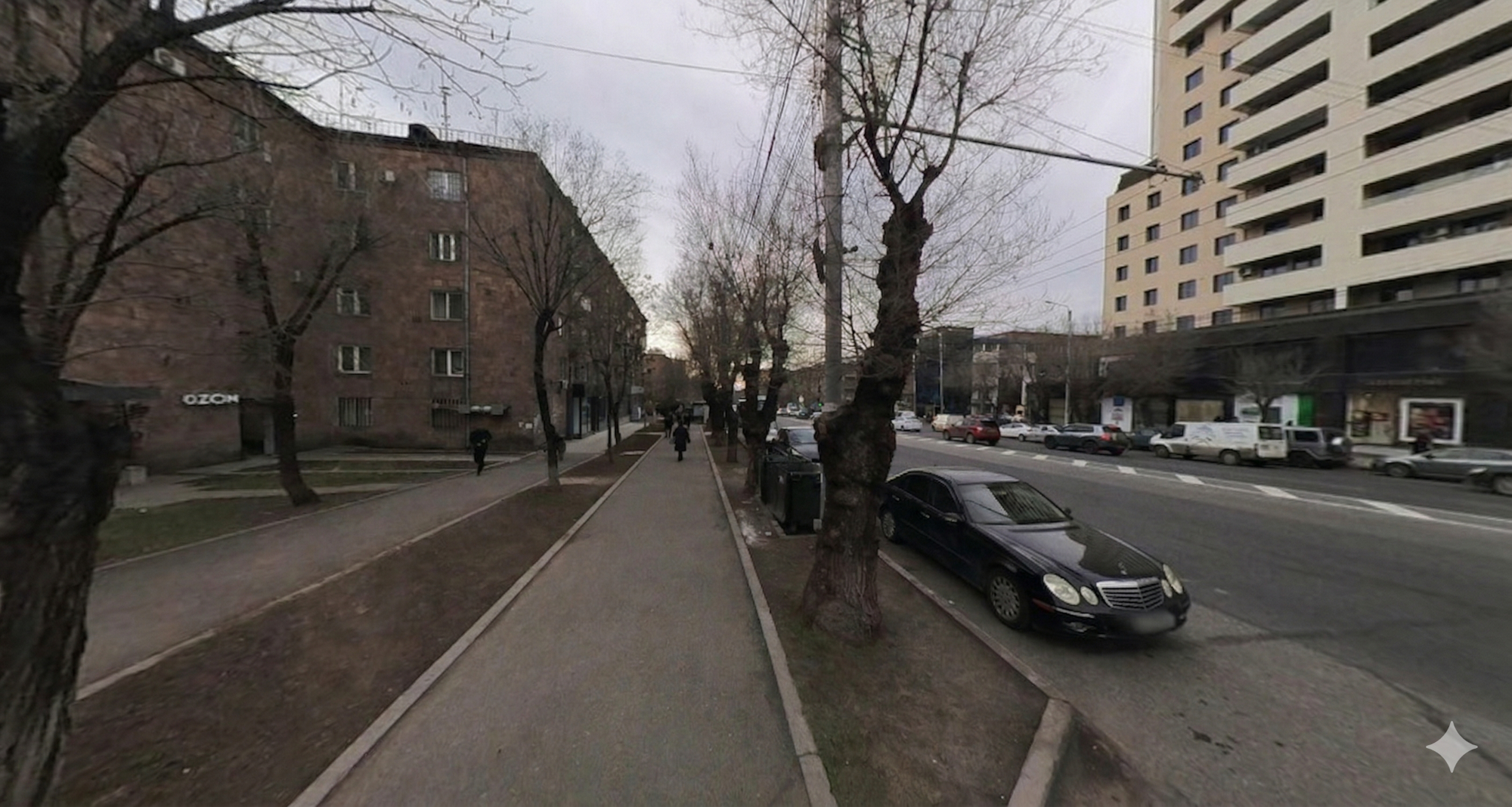
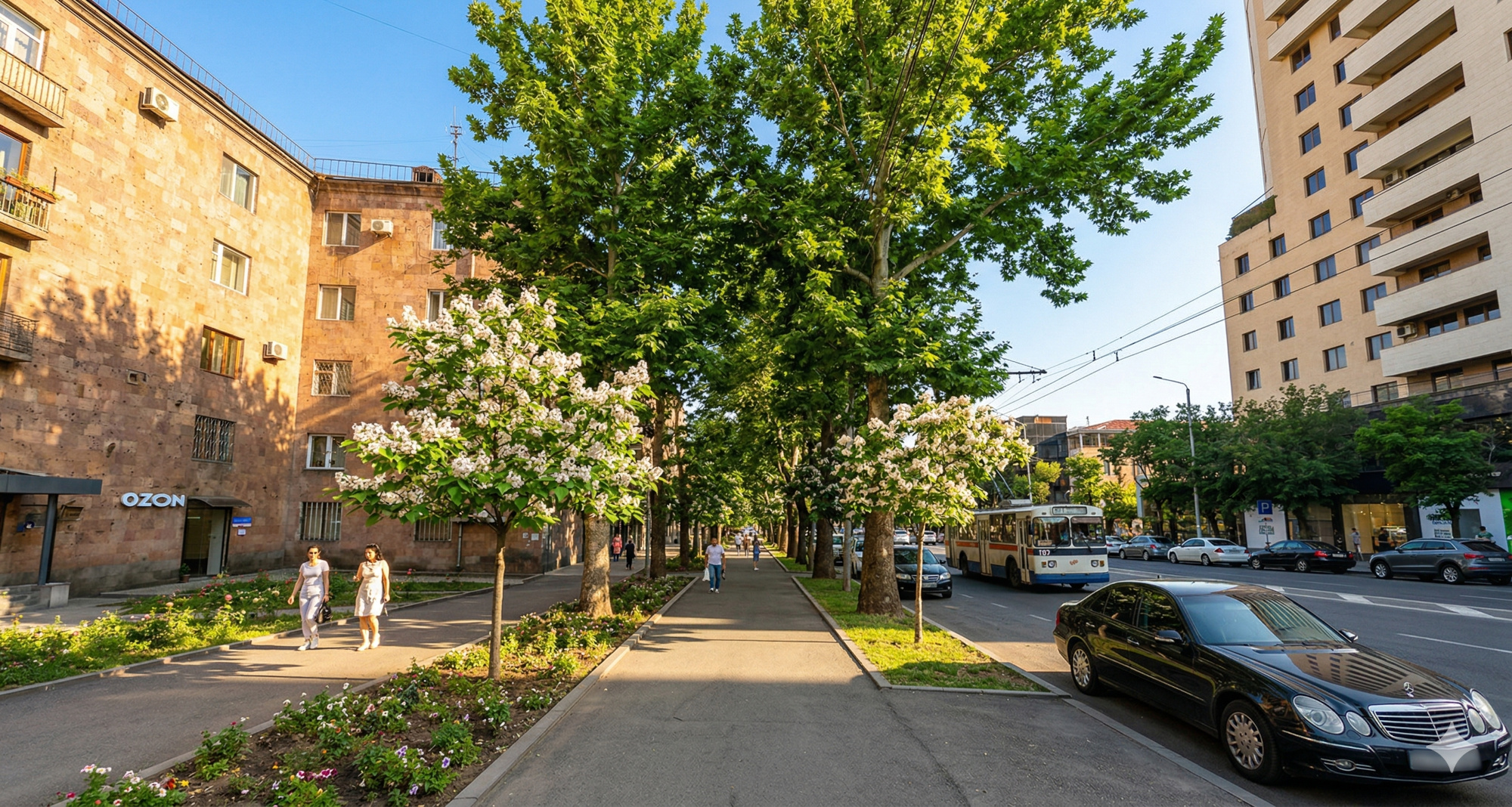
An example of two rows of trees, forming a tunnel.
Additionally, there are multiple locations, such as Komitas 38-40, where the sidewalk has been virtually eliminated and occupied by buildings. Collaboration between city administration departments is encouraged to restore these sidewalks and recreate a continuous, uninterrupted pedestrian space.
An example of a sidewalk that almost vanished.
Protecting Roots
During pipe installation and other renovations that require trenching, trenches are often dug very close to tree trunks. This causes severe structural damage, making trees vulnerable to falling in the wind, and destroys their ability to absorb necessary water and nutrients.
The Decision of the Council of Elders N 405-N (March 16, 2012) mandates a 3-meter distance between mature trees and trenches. This regulation ensures that critical roots remain intact and that trees do not suffer unnecessary harm. Adhering to this 3-meter distance when setting up main pipelines is essential, and careful manual labor should be used to install outlets for individual trees.
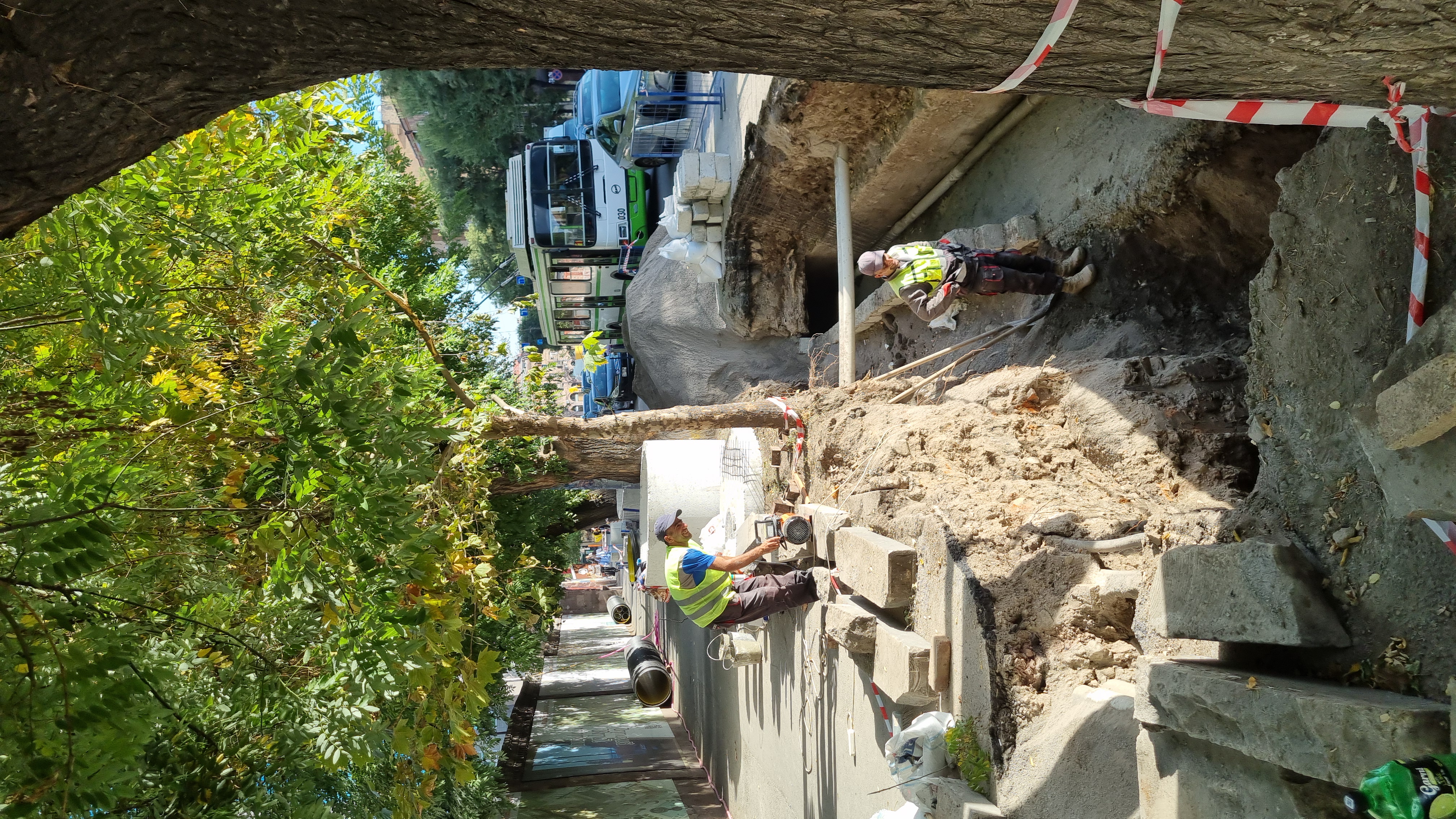
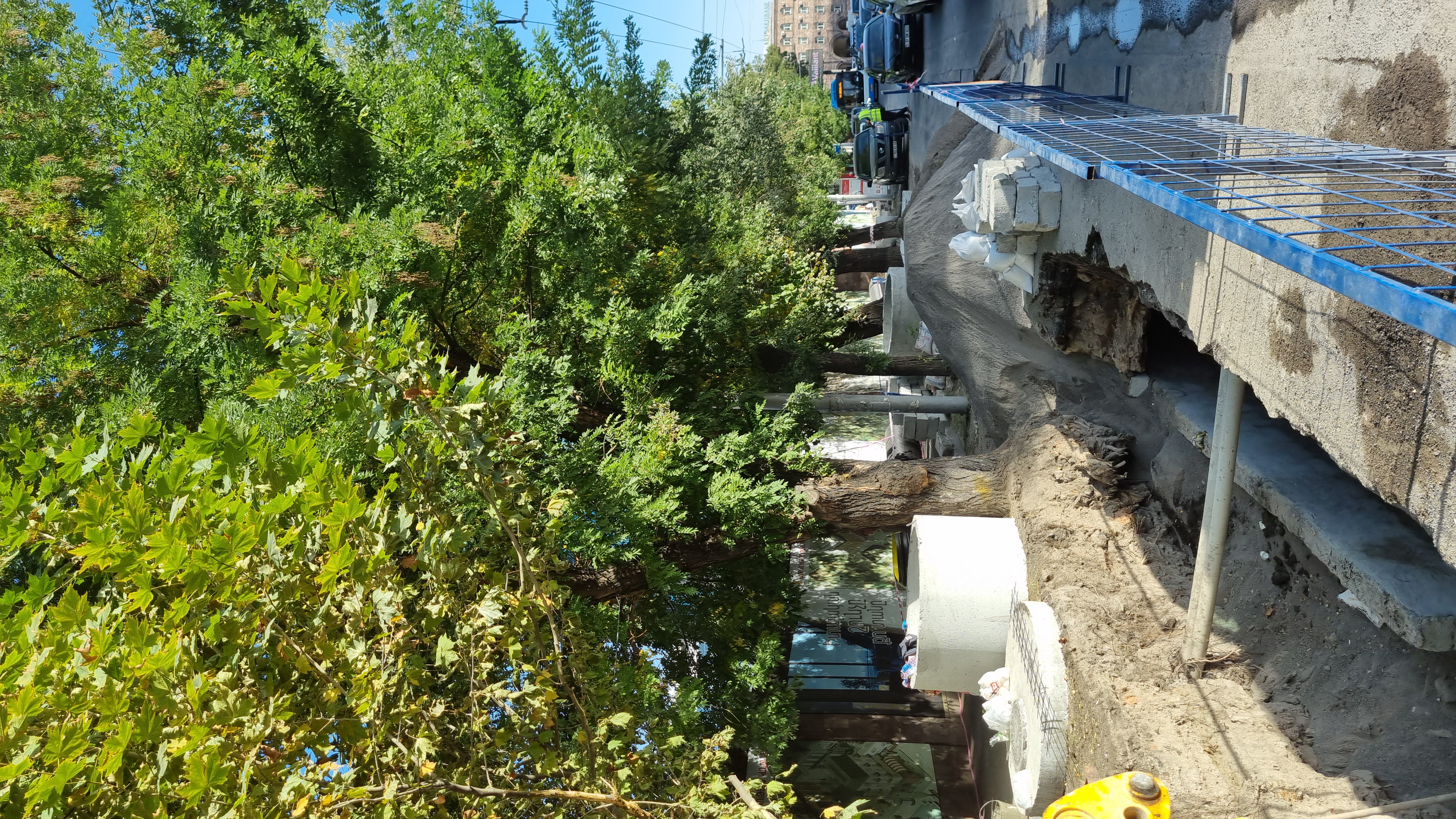
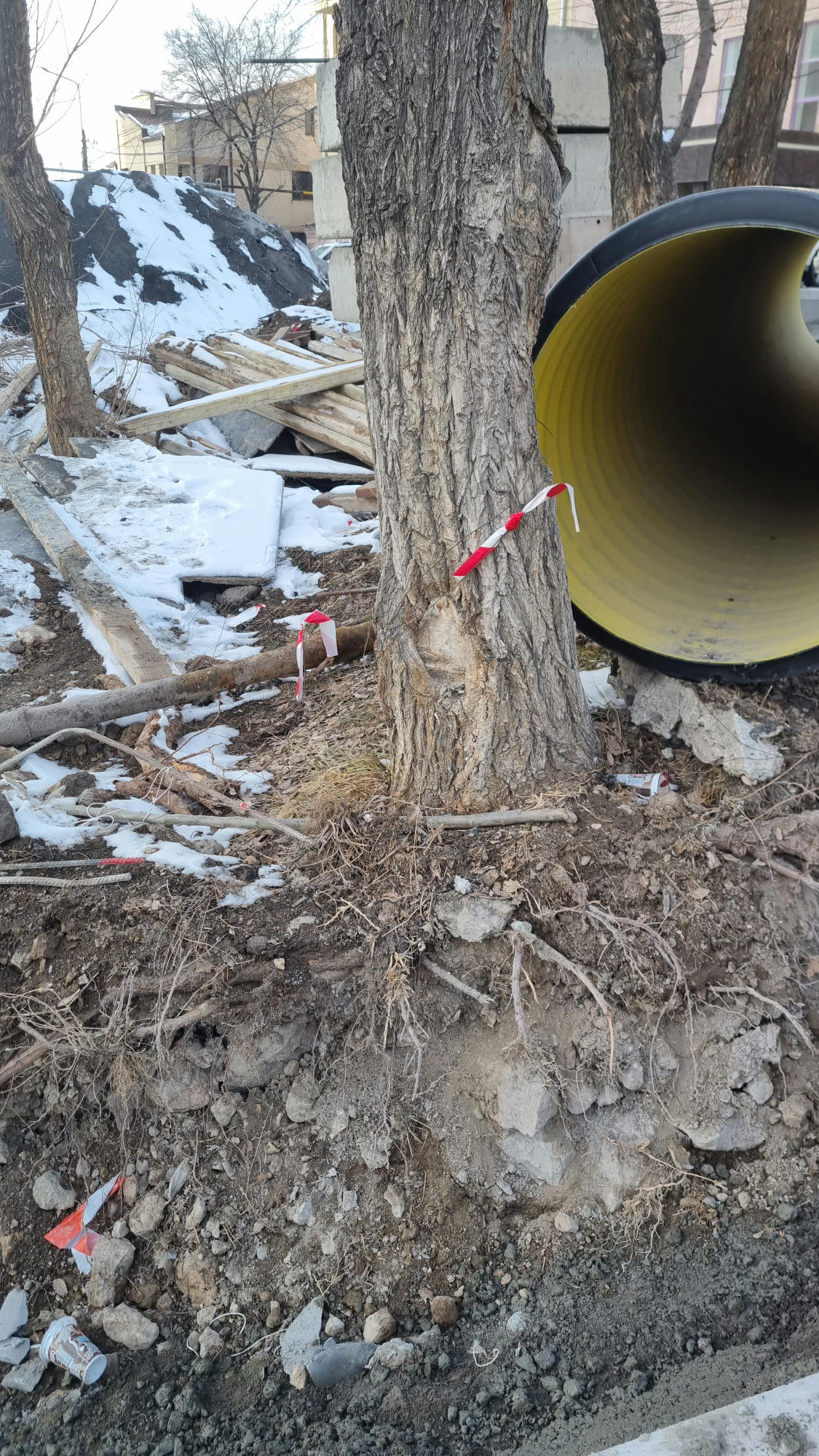
An example of trenching that kills trees and should be forbidden.
Modern Infrastructure (Soil Cells)
Trees need healthy soil to survive. After decades of trenching, paving, and construction, urban soil often turns into "technosol"—a tightly packed mixture of concrete, dust, and construction waste. This soil lacks nutrients, cannot hold water well, and is nearly impossible for tree roots to penetrate. Modern cities increasingly mandate proper soil preparation before planting new trees.
Technologies like Soil Cells can prevent soil compaction even when heavy roads are built above them, and they allow for underground irrigation, which guarantees a long and healthy life for the trees. While adopting such advanced technologies might present a bold new challenge for Yerevan's current infrastructure planning, replacing the existing dead technosol with nutrient-rich soil is a necessary first step regardless.
A mature elm or oak tree requires access to about 30 cubic meters of soil, which equals a trench roughly 10 meters long, 2 meters wide, and 1.5 meters deep. This volume fits perfectly within the existing sidewalk structure and planting grid.
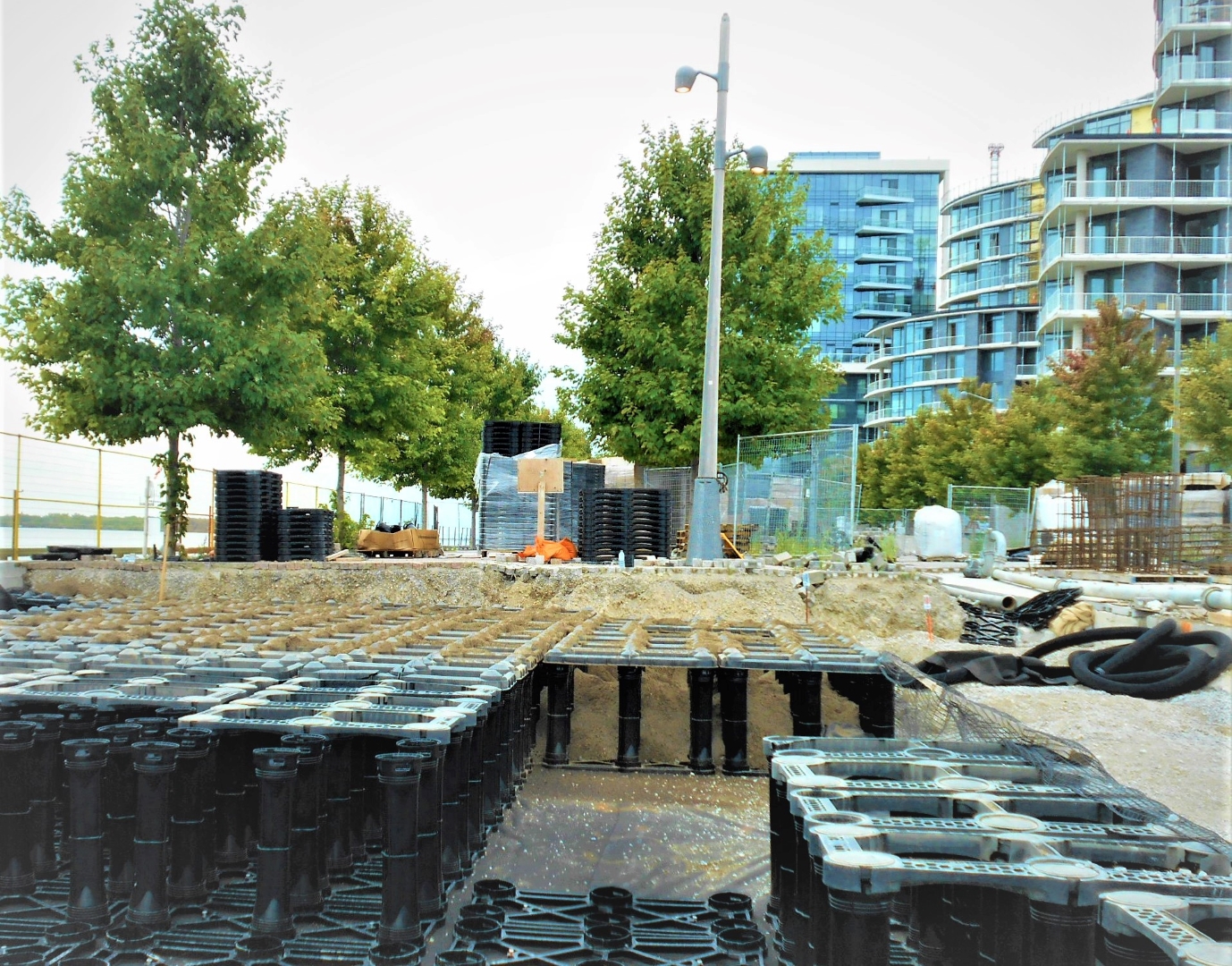
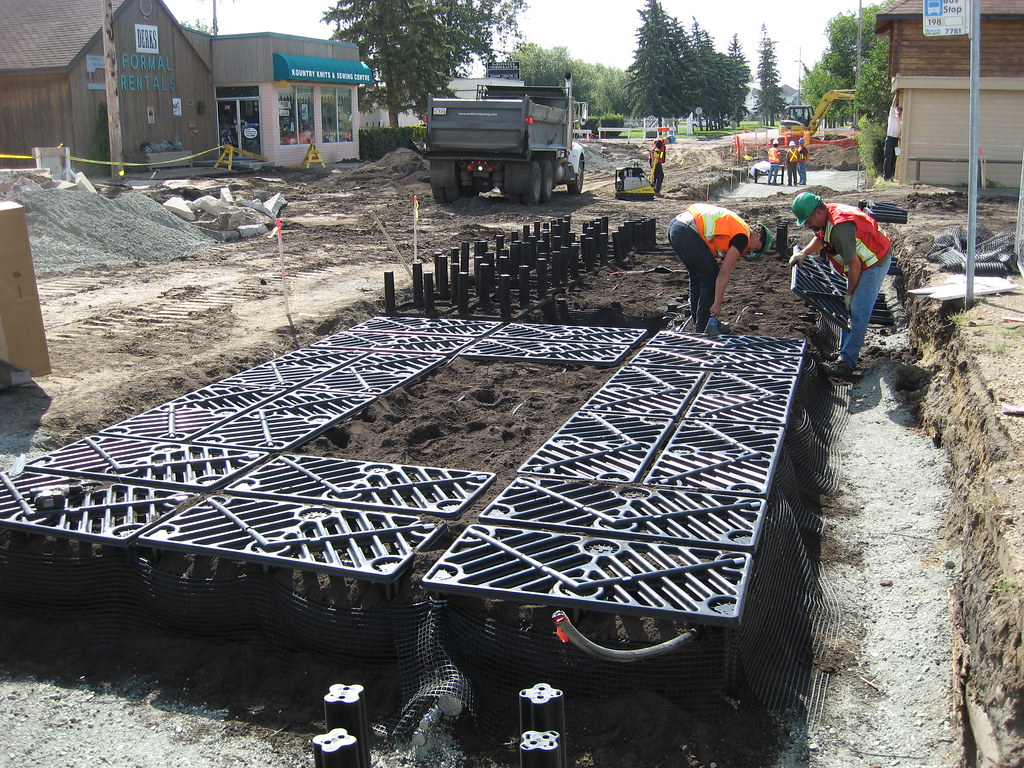
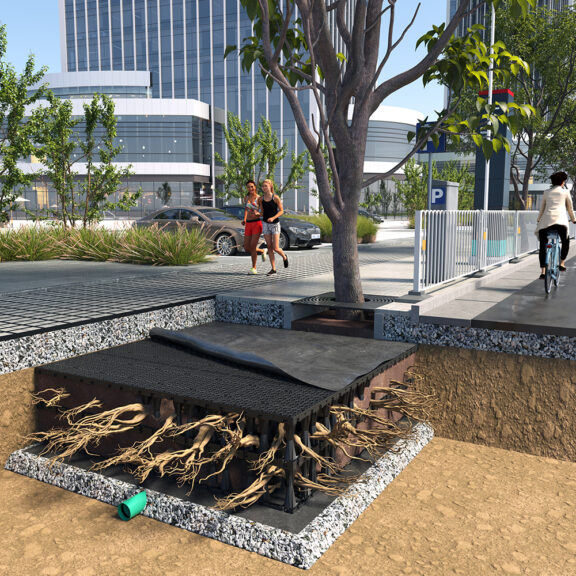
An example of soil cells, required for healthy trees.
Pruning and Maintenance Standards
A 10-year phased replacement plan will only succeed if the new trees are maintained properly. It is crucial to adopt modern pruning and maintenance standards. This includes an absolute ban on "topping" (cutting off the top branches) and avoiding excessive, unnecessary cutting of the new trees. Trees must be allowed to grow naturally and develop the expansive crowns needed to shade the street. Assigning EAC/ISA-certified arborists to manage Komitas Avenue once the new trees are planted is highly recommended.
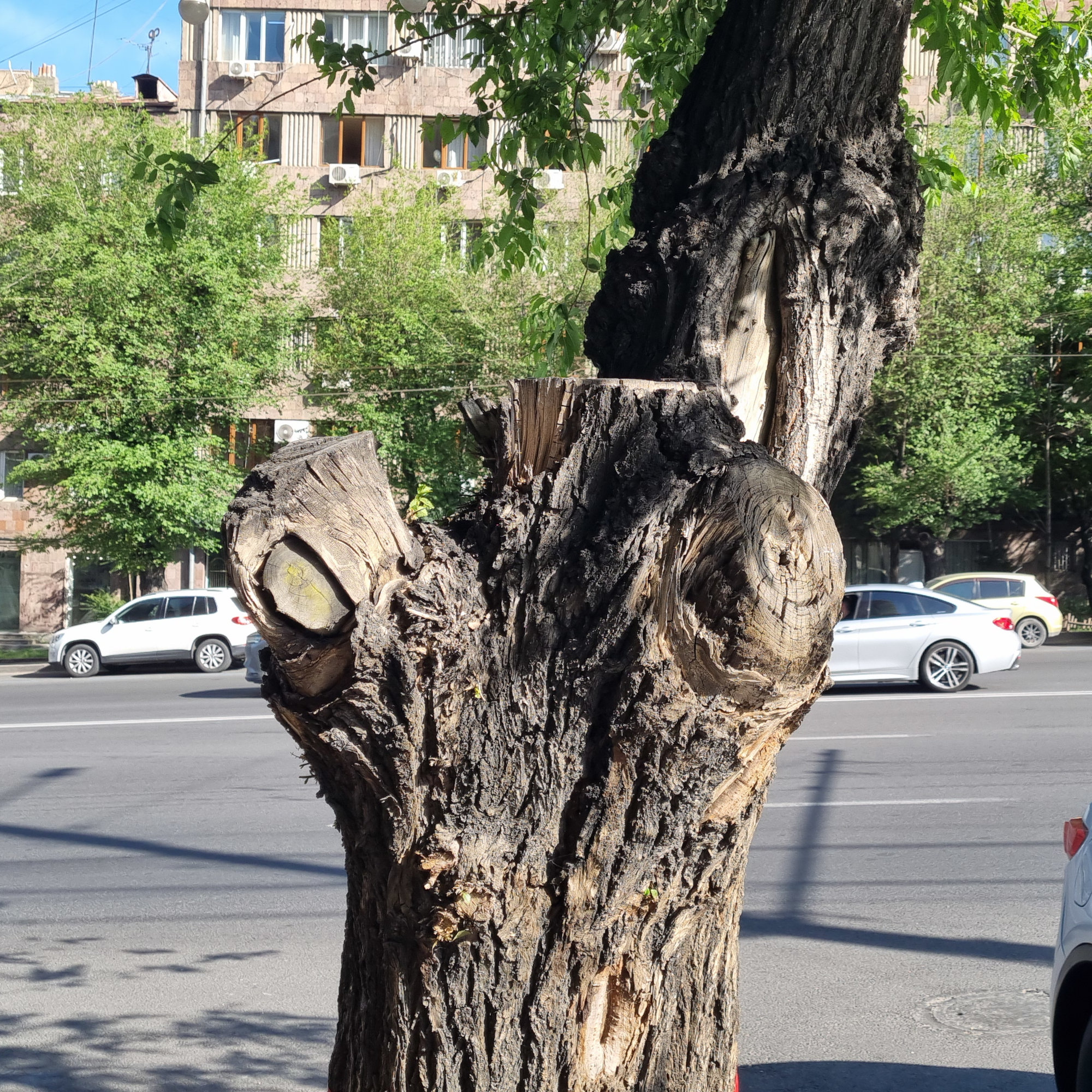
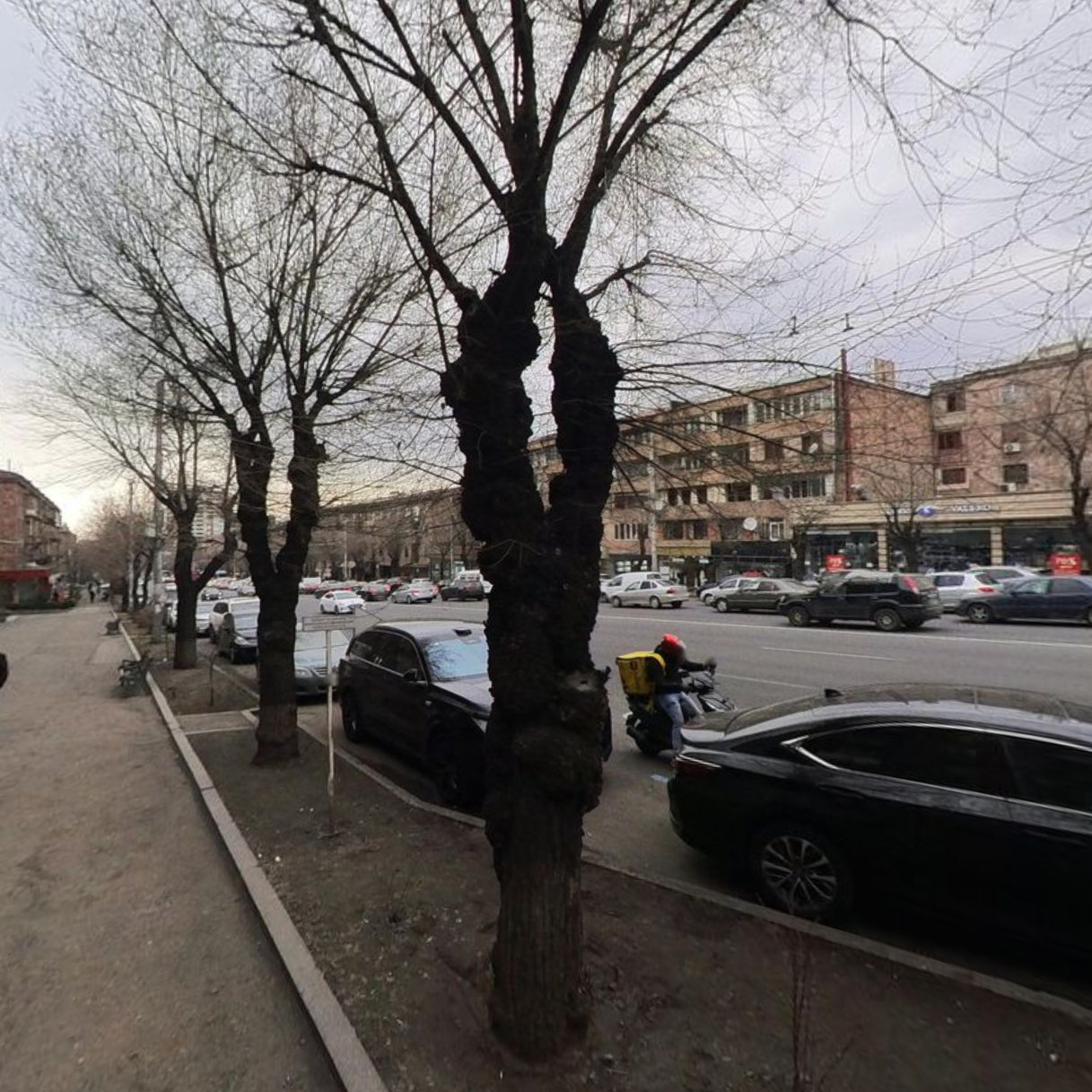
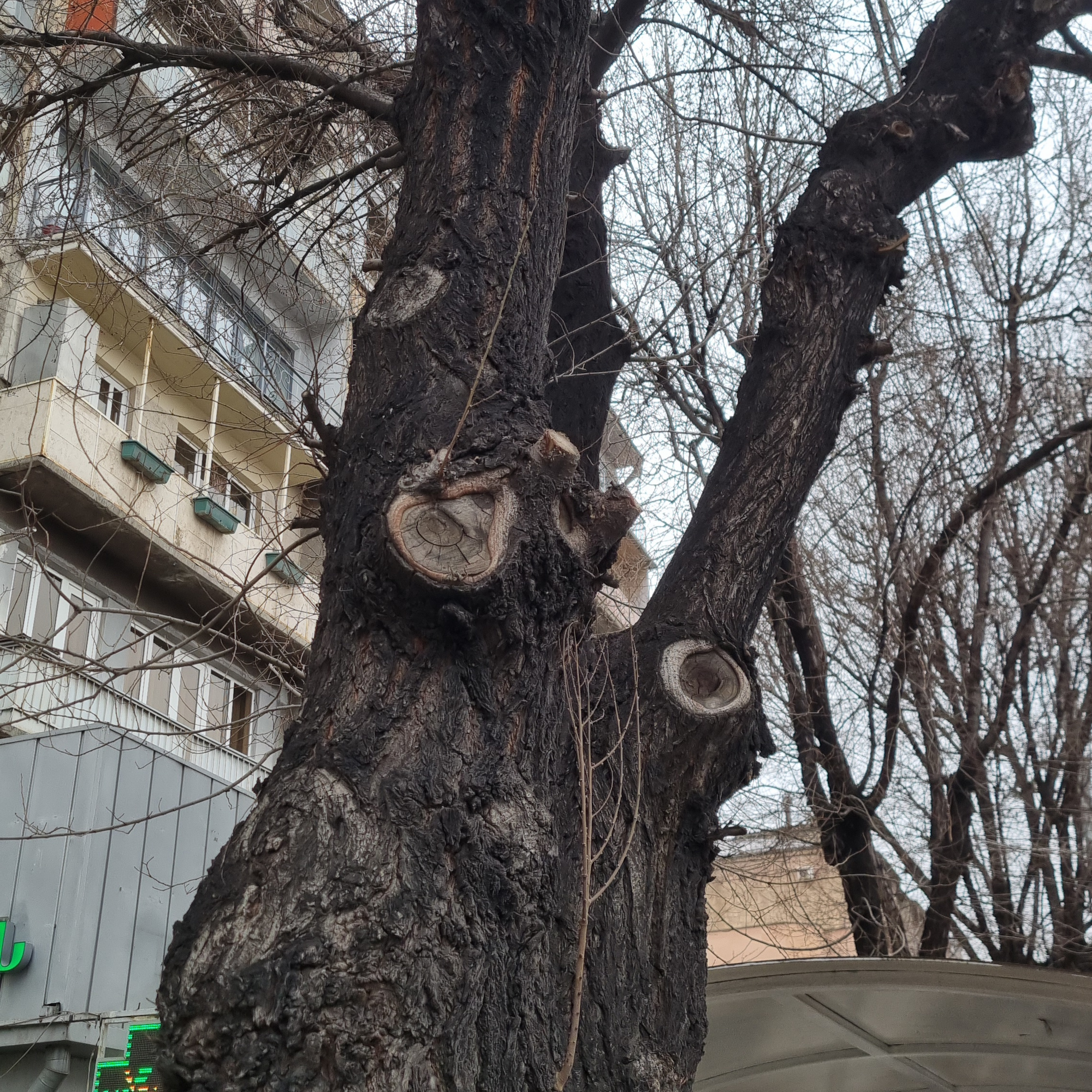
An example of tree care that should absolutely be forbidden after renovation.
Conclusion: What the City Gains
By adopting this approach, Yerevan can avoid turning one of its busiest avenues into a barren, overheated environment for the next decade. Instead, the city gains a sustainable, multi-layered urban forest that provides continuous shade, supports local businesses by maintaining a comfortable pedestrian environment, and sets a modern standard for resilient urban planning. The resulting "green tunnel" will stand as a testament to diverse, forward-thinking forestry.
This phased strategy also prevents the mass-cutting of trees, a practice that often creates unnecessary tension within the community. Finally, a gradual replacement schedule gives the city the time needed to source a high-quality, diverse stock of trees for planting.
How You Can Help
Public support is crucial to making this vision a reality. You can help by sending a formal request to the Mayor's Office via e-request.am asking them to consider these recommendations.
Here is a template you can use (feel free to modify it):
I have read the proposal by Kanach Yerevan regarding the renovation of Komitas Avenue. I ask you to review their recommendations for a phased tree replacement, the use of soil cells, and a multi-layered planting strategy. Please consider implementing these practices if possible to ensure the street remains a comfortable, green, and healthy space for all residents.
https://kanachyerevan.am/status/alerts/komitas/
Official feedback
An activist sent a formal request to the Yerevan Municipality to review the proposed measures. The response from the City Hall (specifically from the "Greening and Environmental Protection" CNCO) focused on the proposal to use soil cells:
In response to your application sent to the Yerevan Municipality, I inform you that based on information from the "Greening and Environmental Protection" CNCO (HOAK), the CNCO does not find it appropriate to implement the replacement of trees using soil cells on the sidewalk of Komitas Avenue. The proposal is considered a rather expensive, time-consuming engineering work, and the HOAK concludes that the tree planting process does not significantly differ from the street redesign works already carried out by the CNCO.
Another activist received a response regarding the general strategy for tree replacement on the avenue:
In response to your application regarding the "Kanach Yerevan" initiative for the renovation of the Komitas Avenue sidewalk, I inform you that in parallel with the renovation works of the Komitas Avenue sidewalk in the Arabkir administrative district, according to the greening project presented by the "Greening and Environmental Protection" CNCO (HOAK), redesign and replacement of street plantings with new tree species will be carried out. This involves replacing small-leaf elms that are near the end of their lifespan, deformed, characterized by hypertrophic growths, and at risk of falling, with highly functional and ornamental tree and shrub species. I should add that the redesign of Komitas Avenue and its replacement with new valuable tree species will serve to improve the ecological environment of Yerevan.